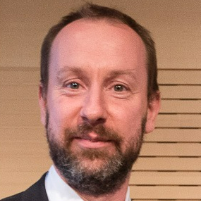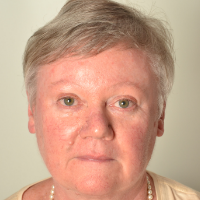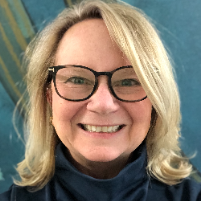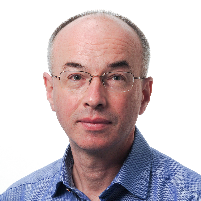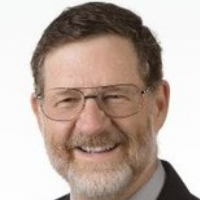

Editorial Team

Co-Editors-in-Chief

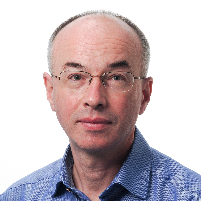
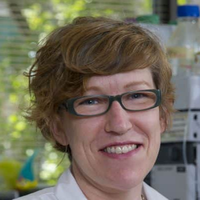
  • Tim Garrett, PhD

    2022

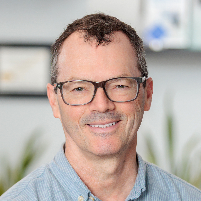
    Tim Garrett, PhD

    University of Florida College of Medicine

    View Bio

    Dr. Garrett has over 20 years of experience in the field of mass spectrometry spanning both instrument and application development. He received his PhD from the University of Florida, under Dr. Richard A. Yost, working on the first imaging mass spectrometry-based ion trap instrument. He has also developed MALDI-based approaches to analyze proteins in bacteria and small molecules in tissue specimens. His current interests include development of techniques and instrumentation for metabolomics science using LC-HRMS and translational work in diagnostics for dried blood spots. He is an Associate Professor in the Department of Pathology at the University of Florida, and Director for the Southeast Center for Integrated Metabolomics (SECIM).
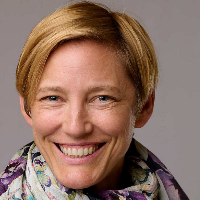
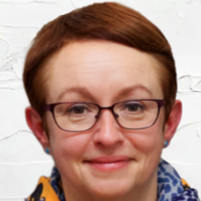
  • Kara Lynch, PhD, DABCC

    2022

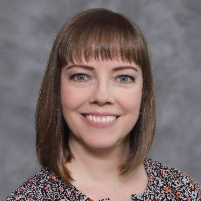
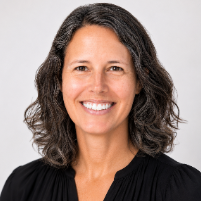
    Kara Lynch, PhD, DABCC

    University of California San Francisco

    View Bio

    Dr. Kara Lynch is a Professor of Laboratory Medicine at the University of California San Francisco. She is the Co-Director of the Core Clinical Laboratory at San Francisco General Hospital and Director of Chemistry at UCSF Children’s Hospital Oakland. Her research program focuses on the development and application of advanced analytical technologies, particularly mass spectrometry, to improve clinical diagnostics and advance the understanding of substance use and disease. Her laboratory specializes in clinical toxicology, biomarker discovery, and the detection of emerging drugs and novel psychoactive substances, with analytical expertise in liquid chromatography–high resolution mass spectrometry (LC–HRMS). She collaborates extensively with clinical and translational research investigators to develop innovative analytical methods and apply them to studies of substance use, HIV, cardiovascular disease, and other public health challenges.

Past Editors-in-Chief

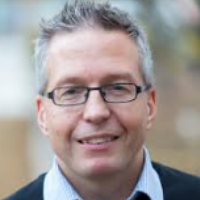
  • Alan Rockwood, PhD, DABCC

    2016 2022

    Alan Rockwood, PhD, DABCC

    University of Utah, School of Medicine

    View Bio

    Alan Rockwood, PhD, DABCC is Professor (Clinical) Emeritus of Pathology at the University of Utah School of Medicine in Salt Lake City, Utah, USA. Originally trained in Physical Chemistry, he performed research on the fundamentals of mass spectrometry and instrumentation development before focusing his career on Clinical Chemistry. He became certified by the American Board of Clinical Chemistry and has held a Certificate of Qualification in Clinical Chemistry from the New York State Board of Health. Currently, his primary area of research is the development of mass spectrometry-based quantitative assays for targeted analytes of clinical interest, including small molecules and more recently proteins and peptides. Additionally, he maintains a smaller research effort on fundamentals of mass spectrometry, particularly novel approaches for isotopic profile calculations. He has published >150 papers in peer reviewed journals.

  • Michael Vogeser, Prof. Dr. med.

    2016 2020

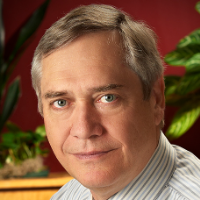
    Michael Vogeser, Prof. Dr. med.

    University Hospital, LMU Munich

    View Bio

    Dr. Michael Vogeser, MD, is specialist in Laboratory Medicine and senior physician at the Hospital of the University of the Ludwig-Maximilians-University Munich, Germany (LMU; Institute of Laboratory Medicine). As an Associate Professor he is teaching Clinical Chemistry and Laboratory Medicine. The main scope of his scientific work is the application of mass spectrometric technologies in routine clinical laboratory testing as translational diagnostics. Besides method development in therapeutic drug monitoring and endocrinology a further particular field of his work is quality and risk management in mass spectrometry and in clinical testing in general. Michael has published >240 articles in peer reviewed medical journals. Michael heads the Commission for In Vitro Diagnostics in the German Association of Scientific Medical Societies (AWMF).)

Associate Editors

  • Anne Bendt, PhD

    Anne Bendt, PhD

    Singapore Lipidomics Incubator (SLING), National University of Singapore, Singapore

    • Lipidomics
    View Bio

    Anne K Bendt studied Biology focusing on marine biotechnology (Greifswald University, Germany), followed by a PhD in Biochemistry (Cologne University, Germany) employing proteomics and transcriptomics. Driven by her fascination for infectious diseases, she joined the National University of Singapore (NUS) in 2004 to develop lipidomics tools for tuberculosis studies. She is now a Principal Investigator at the Life Sciences Institute, NUS, focussing on translation of mass spec technologies into clinical applications, and serving as the Associate Director of the Singapore Lipidomics Incubator (SLING) taking care of operations and commercialization.

  • Melissa Budelier, PhD

    Melissa Budelier, PhD

    TriCore Reference Laboratories

    • Toxicology
    • TDM
    • Clinical Implementation
    • Method Development & Validation
    • Proteomics
    • Small Molecules
    • Biomarkers
    • Diagnostics
    View Bio

    Dr. Budelier the Medical Director of Clinical Chemistry and Toxicology at TriCore Reference Laboratories and Clinical Assistant Professor of Pathology at the University of New Mexico. Her research interests are broadly focused on developing clinically useful, mass spectrometry-based assays to improve diagnosis and treatment of human disease. Her expertise are in Toxicology/TDM, assay development and validation, and protein quantification.

  • Michael Chen, MD MSc

    Michael Chen, MD MSc

    The University of British Columbia

    • Metabolomics
    • Lipidomics
    • Steroids
    • Toxicology
    • Clinical Implementation
    • Microbiology
    • Endocrinology
    • Biomarkers
    View Bio

    Dr. Michael Chen is a clinical pathologist, specializing in clinical chemistry and translational mass spectrometry. He is the Department Head and Medical Director of Laboratory Medicine, Pathology and Medical Genetics at Island Health, and Provincial Discipline Lead at Provincial Health Services Authority. As a researcher, Dr Chen is the scientific director of UBC Translational Omics Lab in the Victoria General Hospital. He is also the director of Vancouver Island Biobank, and he co-chairs the BC Biobank Network. Dr. Chen’s research focuses on clinical mass spectrometry, biobanking, biomarker validation and clinical implementation.

  • Christopher Chouinard, PhD

    Christopher Chouinard, PhD

    Clemson University, Melbourne, Florida, United States

    • Instrumentation
    • Steroids
    • Ion Mobility
    View Bio

    I received my PhD from University of Florida in 2016, where I developed ion mobility-mass spectrometry (IM-MS) methods for steroids and vitamin D metabolites. I then worked as post-doctoral research at Pacific Northwest National Laboratory, building Structures for Loss Ion Manipulations (SLIM) ion mobility instrumentation for application in metabolomics and proteomics. Since 2018, I have been an Assistant Professor at Florida Institute of Technology. Work in my research group focuses on structurally selective reactions for improved characterization of steroids and other controlled substances with IM-MS.

  • Robert Gurke, PhD

    Robert Gurke, PhD

    Fraunhofer Institute for Translational Medicine and Pharmacology ITMP, Frankfurt, Germany

    • Lipidomics
    • Metabolomics
    • Biomarkers
    • Clinical Implementation
    • Method Development & Validation
    View Bio

    Robert Gurke received his diploma in chemistry at the Humboldt-University zu Berlin, Germany in 2012 followed by his doctoral thesis at the Technische Universität Dresden in 2016. After a short period as study director in a GLP-compliant bioanalytical company in Berlin he started working as research associate at the Institute of Clinical Pharmacology in Frankfurt under the guidance of Prof. Geisslinger. Mr Gurke is performing LC-MS/MS analysis since starting his doctoral thesis and gained broad experience in the field of developing and validating methods for the determination of exogenous and endogenous small molecules in different complex matrices.

  • Liam Heaney, PhD

    Liam Heaney, PhD

    Loughborough University, Loughborough, United Kingdom

    • Small Molecules
    • Toxicology
    • Quantitative MS
    • Biomarkers
    • Metabolomics
    • Breath Analysis
    • Anti-Doping
    View Bio

    Dr Liam Heaney is a Senior Lecturer in Bioanalytical Science based in the School of Sport, Exercise and Health Sciences at Loughborough University, UK. His research interests focus principally on the use of high-throughput measurement of small molecule biomarkers, with aligned interests in discovery-based omics applications. These activities include projects that span across multiple disciplines including clinical diagnostic and prognostic applications, nutrition and physiology, and sports anti-doping/drugs of abuse. His work is centered around the application of analytical chemistry applying both gas chromatography and liquid chromatography-mass spectrometry. He sits as an Executive Committee Member of the British Mass Spectrometry Society and was recently voted onto The Analytical Scientists Top 40 Under 40 for his work in promoting the use of mass spectrometry in sport & exercise science/nutrition.

  • Daniel Holmes, MD, FRCPC

    Daniel Holmes, MD, FRCPC

    St. Paul’s Hospital, Vancouver, British Columbia, Canada

    • Endocrinology
    • Data Science
    • Small Molecules
    • Automation
    • Sample Prep
    View Bio

    Daniel Holmes did his undergraduate training in Chemistry and Physics at the University of Toronto before deciding to pursue medicine as a career. He attended medical school at the University of British Columbia where pathology became his area of major interest. The strong influence of his academic mentors led him to enter the Medical Biochemistry residency training program at UBC. This allowed him to use his background knowledge of chemistry in application to medicine. Areas of clinical interest are diagnostic lipidology/endocrinology and research interests are in the utilization of mathematics and computer diagnostics to laboratory medicine.

  • Randall Julian, PhD

    Randall Julian, PhD

    Indigo BioAutomation, Carmel, Indiana, United States

    • Data Science
    • Machine Learning
    View Bio

    Randy Julian is the Founder and CEO of Indigo BioAutomation. Randy earned a Ph.D. in Chemistry from Purdue University. Dr. Julian worked for 14 years at Eli Lilly using mass spectrometry in natural product drug discovery, high throughput screening for RNA anti-viral compounds, and proteomics and metabolomics in animal models. Randy founded Indigo as a spin-out of Lilly. Indigo develops software that uses machine learning techniques to analyze data from laboratories across the US automatically. Dr. Julian is also is an Adjunct Professor of Chemistry at Purdue.

  • Mark Kushnir, PhD

    Mark Kushnir, PhD

    ARUP Institute for Clinical & Experimental Pathology, Salt Lake City, Utah, United States

    • Endocrinology
    • Proteomics
    • Small Molecules
    • Biomarkers
    • Method Development & Validation
    • Sample Prep
    • Quantitative MS
    • Clinical Implementation
    View Bio

    Mark Kushnir is Scientific Director, Mass Spectrometry R&D at ARUP Institute for Clinical and Experimental Pathology and Adjunct Assistant Professor at the Department of Pathology, University of Utah School of Medicine. He received PhD in Analytical Chemistry from Uppsala University (Uppsala, Sweden); his main areas of interest include development, application and clinical evaluation of novel mass spectrometry based clinical diagnostic methods for small molecule, protein and peptide biomarkers. He is author/coauthor of over 100 scientific peer reviewed publications.

  • Ruben Y. Luo, PhD, DABCC

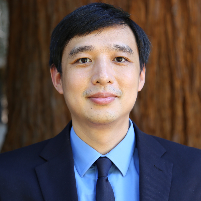
    Ruben Y. Luo, PhD, DABCC

    Stanford University

    • Glycomics
    • Instrumentation
    • Metabolomics
    • New Technologies
    • Proteomics
    • Protein Variant Detection
    • Sample Prep
    • Separations
    View Bio

    Ruben Y. Luo, PhD, DABCC, FADLM is an Assistant Professor of Pathology at Stanford University and an Associate Director of Clinical Chemistry Laboratory at Stanford Health Care. He received PhD in chemistry from Stanford University, worked in the clinical diagnostic industry for several years, and then completed clinical chemistry fellowship at the University of California San Francisco. Dr. Luo is dedicated to innovations in clinical diagnostics. His research focuses on (1) discovering the clinical diagnostic value of molecular characteristics of protein biomarkers, and (2) applying top-down mass spectrometry and label-free optical sensing immunoassays to characterization and accurate measurement of biomarkers. He has been an active member and conference speaker in the international clinical chemistry and mass spectrometry communities, e.g., Association for Diagnostics and Laboratory Medicine (ADLM; formerly American Association for Clinical Chemistry, AACC), American Society for Mass Spectrometry (ASMS), Mass Spectrometry & Advances in Clinical Lab (MSACL). His research awards include 2022 AACC George Grannis Award for Excellence in Research and Scientific Publication, 2020 American Society for Clinical Pathology (ASCP) “40 Under Forty” Honoree, etc. He currently serves as an associate editor of JMSACL and an editorial board member of Scientific Reports.

  • Laura Smy, PhD, DABCC, MLS (CSMLS)

    Laura Smy, PhD, DABCC, MLS (CSMLS)

    Medical College of Wisconsin

    • Toxicology
    • TDM
    • Quantitative MS
    • Clinical Implementation
    • Method Development & Validation
    View Bio

    Laura Smy, PhD, DABCC, MLS (CSMLS) is an Associate Professor at the Medical College of Wisconsin. Her clinical duties include Co-director of chemistry and toxicology for the Wisconsin Diagnostic Laboratories and the CLIA director for four Froedtert Community Hospitals. She earned her PhD in Pharmaceutical Sciences and Biomedical Toxicology from the University of Toronto. She completed a Fellowship in Clinical Chemistry at the University of Utah and ARUP Laboratories in Salt Lake City, Utah, honing her expertise in the laboratory medicine and experience with mass spectrometry and toxicologic analysis of alternative sample types.

  • Grace van der Gugten, B.Sc. Chemistry

    Grace van der Gugten, B.Sc. Chemistry

    BC Provincial Toxicology Centre

    • Small Molecules
    • Clinical Implementation
    View Bio

    Grace discovered her love for clinical mass spectrometry when she began working at St Paul's Hospital in Vancouver in the special chemistry mass spec group with Dr. Dan Holmes in late 2010. Grace was challenged in this role but gained a wealth of knowledge and experience over her 10+ years in the SPH laboratory. She puts this experience and knowledge into use in her current role as Lab Scientist in the Newborn Screening and Biochemical Genetics lab at Alberta Precision Laboratories in Edmonton. Grace loves developing streamlined, easy to use (if possible!) clinical mass spectrometry assays; teaching others and helping others succeed; and troubleshooting (especially when the problem is solved!).

  • Elizabeth Want, PhD

    Elizabeth Want, PhD

    Imperial College London, London, United Kingdom

    • Metabolomics
    • Toxicology
    View Bio

    Liz is the Waters Senior Lecturer in Molecular Spectroscopy in the Department of Surgery and Cancer. She joined Imperial College in 2006 after working as a postdoctoral researcher at the Scripps Research Institute in La Jolla, CA. At Imperial College, she was initially a postdoctoral researcher for the Consortium for Metabonomic Toxicology (COMET) group. Her research focuses primarily on the development and application of novel MS-based techniques for metabolic phenotyping and on the fusion of MS methods with chemometric analysis, which is currently a significant bottleneck in the analysis pipeline. Broadly, her research at Imperial College has involved the development, optimisation and application of UPLC-MS methodologies for the analysis of biological samples, largely in the context of metabolic phenotyping: serum, urine, tissue, amniotic fluid, and microdialysates. Liz is applying these methods to biomedical research areas including toxicology, cardiovascular disease, neonatal disease and development, maternal exposures and effects on early childhood, and neurological diseases.

Advisory Board

  • Jonas Bergquist, MD, PhD

    Jonas Bergquist, MD, PhD

    Uppsala University, Uppsala, Sweden

    • Proteomics
    • Endocrinology
    • Sample Prep
    • Imaging
    View Bio

    Jonas is an MD,PhD and since 2005 has been appointed chaired professor of analytical chemistry and neurochemistry at the Department of Chemistry - BMC, Uppsala University. He received training in Clinical Neuroscience at the Sahlgrenska University Hospital and Gothenburg University (PhD and associate professor) and moved to Uppsala in 1999. Since 2011 he has been a adjunct professor of Pathology at the University of Utah, Salt Lake City, USA, and since 2015 professor of Precision Medicine, Binzhou Med University, China.

  • Michael Gelb, PhD

    Michael Gelb, PhD

    University of Washington, Seattle, Washington, United States

    • Newborn Screening
    • Small Molecules
    View Bio

    Michael H. Gelb is Professor of Chemistry and Barbara L. Weinstein Endowed Chair in Chemistry, Adjunct Professor of Biochemistry at the University of Washington. Major developments in the Gelb lab include discovery of protein prenylation, development of ICAT proteomic reagents, identification of phospholipases involved in lipid mediator generation, development of anti-parasite drugs, and development of mass spectrometry for newborn screening. Awards include: Repligen Award in Chemistry of Biological Processes (Amer. Chem. Soc.), Univ.of Washington Faculty Lecture Award, Gustavus John Esselen Award (Harvard Univ.), AAAS Fellow, NIH Merit Award, Medicines for Malaria Project of the Year Award, Pfizer Award in Enzyme Chemistry, ICI Pharmaceuticals Award for Excellence in Chemistry. The Gelb lab has published more than 500 papers and 100 patents in biological chemistry. The Gelb laboratory has developed mass spectrometry for worldwide newborn screening of lysosomal storage diseases (the latest expansion of newborn screening panels).

  • Ron Heeren, PhD

    Ron Heeren, PhD

    Maastricht University, Maastricht, The Netherlands

    • Imaging
    • Sample Prep
    View Bio

    Maastricht University Professor Ron Heeren is a pioneer in the field of imaging mass spectrometry. During his career, he and his team have developed new physical measurement methods to map the distribution of molecules on complex surfaces. In all phases of his scientific career, he has actively contributed to the valorisation of the methods and techniques he has developed in a highly interdisciplinary setting. Instrumentation physics was and is the common thread through his development into the socially committed scientist he is today. Trained as a technical physicist, with an outstanding track record in innovative physical-chemical research, he is now active in an interdisciplinary biomedical setting. He heads the Maastricht MultiModal Molecular Imaging Institute (M4I) in which he uses the techniques he has developed for precision medicine and improved patient care. He has also actively given his research more (market) value through the establishment and participation in three companies. Various of the patents obtained by him have been taken over and / or licensed by various major private parties active in the scientific instrumentation market.

  • David Herold, MD, PhD

    David Herold, MD, PhD

    MSACL, University of California San Diego and VA San Diego Medical Center, La Jolla, California, United States

    • Small Molecules
    • Clinical Implementation
    View Bio

    David Herold received his BS in Chemistry from Tulane University, his MA in Chemistry at the University of North Carolina-Chapel Hill, served 5 years in the USAF, received his MD and PhD at the University of Utah and then completed a Clinical Pathology residency at the University of Virginia. In 1982 he joined the University of Virginia faculty. In 1991 he moved to the University of California, San Diego and is now Professor of Pathology. He has authored and co-authored over 80 scientific publications and presented at numerous international scientific conferences. Inspired by the 2007 ASMS Asilomar conference on clinical mass spectrometry, Dr. Herold co-founded MSACL. He currently is CEO of MSACL and serves as its Executive Board Chair and Global Scientific Coordinator.

  • Donald Hunt, PhD

    Donald Hunt, PhD

    University of Virginia, Charlottesville, Virginia, United States

    • Proteomics
    • Instrumentation
    View Bio

    Donald F. Hunt is the University Professor of Chemistry and Pathology at the University of Virginia. He is known for his research in the field of mass spectrometry, he developed electron capture negative ion mass spectrometry. He has received multiple awards for his work including the Distinguished Contribution Award from the American Society for Mass Spectrometry and MSACL, and the Thomson Medal from the International Mass Spectrometry Society.

  • Brian Keevil, PhD

    Brian Keevil, PhD

    University Hospital of South Manchester, Manchester, United Kingdom

    • Endocrinology
    • Small Molecules
    • Clinical Implementation
    View Bio

    Brian Keevil is a Consultant Clinical Scientist and Head of the Clinical Biochemistry Department at the University Hospital of South Manchester. He is an Honorary Professor in Clinical Biochemistry at the University of Manchester and a member of the editorial board of the Annals of Clinical Biochemistry. He has developed an interest in steroid analysis using liquid chromatography mass spectrometry (LC-MS/MS) over the past 15 years with a particular emphasis on developing an LC-MS/MS service in a routine clinical laboratory. He has developed over 30 routine analytical methods and has published over 130 papers mainly on the clinical applications of LC-MS/MS.

  • Alexander Makarov, PhD

    Alexander Makarov, PhD

    Thermo Fisher Scientific, Bremen, Germany

    • Instrumentation
    View Bio

    From his early childhood, Alexander was interested in the development of technology. During his teenage years, he attempted to invent various pieces of technology that were either unrealistic or already implemented. This brought Alexander to the Moscow Engineering Physics Institute where he was encouraged to design analytical instrumentation, specifically the exotic time-of-flight mass spectrometers (TOFMS). After defending his PhD thesis in 1992 and joining the General Physics Institute of Russian Academy of Sciences, Alexander visited several UK universities and subsequently became a post-doc in Warwick University where he became involved in tandem mass spectrometry. In 1996, he joined a start-up company formed by Steve Davis and Andy Hofmann, called HD Technologies, located in Manchester, UK. This is where Alexander started to make his first steps towards the concept of the Orbitrap mass analyzer. His proof-of-principle results were presented at the ASMS Conference in 1999 and the term “Orbitrap analyzer” was used for the first time. Following the acquisition of HD Technologies by Thermo in 2000, he concentrated his research on interfacing the analyzer to continuous, rather than pulsed, ion sources with the practical goal of incorporating an electrospray ion source. Progress was accelerated by the expansion of the research team as well as transfer of the project to Thermo Scientific’s Bremen factory in Germany. This resulted in the commercial release of a new LTQ Orbitrap tandem mass spectrometer in 2005. Alexander has authored more than 100 papers and he holds more than 250 issued patents, including more than 110 US patents. Since 2006, Alexander has held the position of Director of Research in Life Sciences Mass Spectrometry for Thermo Scientific in Bremen.

  • Matthias Mann, PhD, Prof. Dr. rer. Nat.Dr. H.C

    Matthias Mann, PhD, Prof. Dr. rer. Nat.Dr. H.C

    Max Planck Institute, Munich, Germany

    • Proteomics
    View Bio

    Born in Germany, Matthias he studied mathematics and physics at the University of Göttingen. He received his Ph.D. in 1988 at Yale University where he worked in the group of John Fenn, who was later awarded the Nobel Prize in Chemistry. After a postdoctoral fellowship at the University of Southern Denmark in Odense Matthias became group leader at the European Molecular Biology Laboratory (EMBL) in Heidelberg. Later he went back to Odense as a professor of bioinformatics. Since 2005 he has been a director at the Max Planck Institute of Biochemistry in Munich. In addition, he became a principal investigator at the newly founded "Novo Nordisk Foundation Center for Protein Research" in Copenhagen. His research group originated both PreOmics – a company commercializing sample prep sets, and EVOSEP – a company commercializing protein analysis equipment.

  • David Millington, PhD

    David Millington, PhD

    Duke University, Durham, North Carolina, United States

    • Newborn Screening
    • Small Molecules
    • Metabolomics
    View Bio

    David S. Millington, PhD, is Emeritus Professor of Pediatrics, retired from Duke School of Medicine. He and his colleagues pioneered the application of tandem mass spectrometry for the targeted analysis of acylcarnitines that became a frontline diagnostic test for defects of fat oxidation and branched-chain amino acid catabolism. Subsequently, the method was modified to include several essential amino acids and applied to dried blood spots, paving the way for the expansion of newborn screening for from a handful to over 30 metabolic conditions. Expanded newborn screening by MS/MS is now applied to tens of millions of neonates annually and has help save thousands of lives. He was also honored by the MSACL in 2015 with their first Distinguished Contribution Award in recognition of achievements made in the field of clinical mass spectrometry.

  • Alan Rockwood, PhD, DABCC

    Alan Rockwood, PhD, DABCC

    University of Utah, School of Medicine

    • Small Molecules
    • Instrumentation
    • Proteomics
    • Peptidomics
    View Bio

    Alan Rockwood, PhD, DABCC is Professor (Clinical) Emeritus of Pathology at the University of Utah School of Medicine in Salt Lake City, Utah, USA. Originally trained in Physical Chemistry, he performed research on the fundamentals of mass spectrometry and instrumentation development before focusing his career on Clinical Chemistry. He became certified by the American Board of Clinical Chemistry and has held a Certificate of Qualification in Clinical Chemistry from the New York State Board of Health. Currently, his primary area of research is the development of mass spectrometry-based quantitative assays for targeted analytes of clinical interest, including small molecules and more recently proteins and peptides. Additionally, he maintains a smaller research effort on fundamentals of mass spectrometry, particularly novel approaches for isotopic profile calculations. He has published >150 papers in peer reviewed journals.

  • Kenneth Setchell, PhD

    Kenneth Setchell, PhD

    Cincinnati Children’s Hospital Medical Center, Cincinnati, Ohio, United States

    • Small Molecules
    • Steroids
    View Bio

    Kenneth D. Setchell, PhD, joined the tenured faculty of the Department of Pediatrics, University of Cincinnati College of Medicine in 1984, having moved from the Clinical Research Centre of the Medical Research Council, (UK) where he previously held a tenured scientific position. In 1973 he obtained a PhD in steroid biochemistry from the University of London. He was then awarded a fellowship from The Royal Society for post-doctoral studies at the Karolinska Institute in Stockholm, Sweden (1974-1975) in the application of mass spectrometry to clinical and biomedical problems specifically relating to the steroid hormone field. He returned to the United Kingdom to a scientific position in the Division of Clinical Chemistry at the Medical Research Council's Clinical Research Centre where he continued his research in the field of steroids, expanding into cholesterol and bile acid metabolism as it related to gastrointestinal diseases. His parallel research discoveries of the first mammalian lignans later led to the discovery of soy isoflavones in humans, their association with soy intake, and established his research in the area of bioactive plant constituents and human nutrition and disease.

  • Jentaie Shiea, PhD

    Jentaie Shiea, PhD

    National Sun Yat-sen University, Kaohsiung City, Taiwan

    • Ambient Ionization
    • Anti-Doping
    • Clinical Implementation
    • Instrumentation
    • Toxicology
    • Small Molecules
    View Bio

    Jentaie Shiea received his B.S. in Chemistry in 1981 from National Chung- Hsing University, and M.S. (1988) and Ph.D. (1991) degrees from Montana State University. After post-doctoral training in the Department of Material Science at Penn. State University, he joined National Sun Yat-Sen University as a faculty member in 1991, where he is currently a Distinguished Professor in the Department of Chemistry. In the last decade, Jentaie has devoted himself to promoting mass spectrometric research in Taiwan and throughout Asia. He served as the president of the Taiwan Society for Mass Spectrometry (2009- 2012), and was an executive board member and representative of Region B (Asia and Oceania) of the International Mass Spectrometry Foundation (2009-2016). Jentaie’s research interests have long involved biological and organic mass spectrometry, and his current research interests center around (i) the development of novel ambient ionization techniques for on-site detection of chemical compounds with applications to food safety, antiterrorism, anti-doping, and forensic and environmental chemistry, (ii) interfacing mass spectrometry with TLC, HPLC, and GC, and (iii) applying modern mass spectrometry for clinical diagnoses.

  • Ravinder Singh, PhD

    Ravinder Singh, PhD

    Mayo Clinic, Rochester, Minnesota, United States

    • Endocrinology
    • Metabolomics
    • Proteomics
    • Vitamin D
    View Bio

    Dr. Singh studies the application of liquid chromatography-tandem mass spectrometry (LC-MS/MS) to clinical laboratory analysis. Many of the methods that Dr. Singh developed are now considered reference methods. They have subsequently been utilized for method standardization efforts as well as to establish clinical disease correlates, which he has published with his collaborators.

  • Junghan Song, MD, PhD

    Junghan Song, MD, PhD

    Seoul National University, Seoul, Korea

    • TDM
    • Endocrinology
    • Newborn Screening
    View Bio

    Dr. Junghan Song's clinical interests are in clinical chemistry and biochemical genetic testing. His research focuses are the development of new tests for the diagnosis of inherited metabolic disorders and the application of mass spectrometry in various clinical laboratory fields.

  • Zoltan Takats, PhD

    Zoltan Takats, PhD

    Imperial College, London, United Kingdom

    • Imaging
    • Ambient Ionization
    • Metabolomics
    • Proteomics
    View Bio

    Zoltan obtained his PhD from Eötvös Loránd University, Budapest, Hungary and worked as a post-doctoral research associate at Purdue University, Indiana, USA. After returning to Hungary, he served as Director of Cell Screen Research Centre and also as Head of Newborn Screening and Metabolic Diagnostic Laboratory at Semmelweis University, Budapest. After time as a Junior Research Group Leader at Justus Liebig University, Gießen, Germany, he moved to the United Kingdom in 2012 and currently works as a Professor of Analytical Chemistry at Imperial College London. He has pursued pioneering research in mass spectrometry and is one of the founders of the field of ‘Ambient Mass Spectrometry’. He is the primary inventor of six mass spectrometric ionization techniques. He was the recipient of the prestigious Mattauch-Herzog Award of the German Mass Spectrometry Society and the Hungarian Star Award for Outstanding Innovators. He is the founder of Prosolia Inc, Medimass Ltd and Massprom Ltd, all companies pursuing analytical and medical device development.

  • Linda Thienpont, PhD

    Linda Thienpont, PhD

    Thienpont & Stöckl Wissenschaftliches Consulting GbR (Em. Ghent University), Ghent, Belgium

    • Regulations & Standards
    • Metrology
    • Harmonization
    View Bio

    Linda M. Thienpont, PhD is Prof. Emeritus from Ghent University (Belgium). She is now involved in “Thienpont & Stöckl Wissenschaftliches Consulting GbR” (Germany). During her academic life, she focused her main research interests on development/implementation of standardization/harmonization concepts, and improvement of clinical laboratory measurements. In this area, she has published over 180 peer reviewed papers. All the mass spectrometric reference measurement procedures (for substrates/metabolites, 25OH-vitamin D, total and free steroid and thyroid hormones) she developed are listed in the Database of the Joint Committee for Traceability in Laboratory Medicine (JCTLM) (see: http://www.bipm.org/). With her reference laboratory (still continuing at Ghent University under the name Ref4U) she offered reference laboratory services and consultancy to all major globally operating IVD manufacturers, who in turn participated and still do in projects chaired by her. Among many other awards she also received the MSACL 2015 EU Distinguished Contribution Award in Recognition of Achievements Made in the Field of Clinical Mass Spectrometry that have Furthered the Advancement of Knowledge and Implementation of Science for the Benefit of Humanity.

  • Jennifer van Eyk, PhD

    Jennifer van Eyk, PhD

    Cedars-Sinai Heart Institute, Los Angeles, California, United States

    • Sample Prep
    • Proteomics
    • Method Development & Validation
    View Bio

    Jennifer Van Eyk, PhD, is an international leader in the area of clinical proteomics and her lab has focused on developing technical pipelines for de novo discovery and larger scale quantitative mass spectrometry methods. This includes multiple reaction monitoring (MRM, also known as SRM) and most recently data independent acquisition. Dr. Van Eyk's laboratory is well known for the extreme technical quality of the data generated, rigorous quality control with tight %CV while applying these to key clinical questions. The aim is to maximize throughput and reproducibility in order to move targeted and robust discovery methods into large population healthy continuous assessment and clinical grade assays focusing on brain and cardiovascular diseases.

  • Michael Vogeser, Prof. Dr. med.

    Michael Vogeser, Prof. Dr. med.

    University Hospital, LMU Munich, Munich, Germany

    • TDM
    • Clinical Implementation
    • Diagnostics
    • Endocrinology
    • Risk Management
    View Bio

    Dr. Michael Vogeser, MD, is specialist in Laboratory Medicine and senior physician at the Hospital of the University of the Ludwig-Maximilians-University Munich, Germany (LMU; Institute of Laboratory Medicine). As an Associate Professor he is teaching Clinical Chemistry and Laboratory Medicine. The main scope of his scientific work is the application of mass spectrometric technologies in routine clinical laboratory testing as translational diagnostics. Besides method development in therapeutic drug monitoring and endocrinology a further particular field of his work is quality and risk management in mass spectrometry and in clinical testing in general. Michael has published >150 articles in peer reviewed medical journals.

  • Richard Yost, PhD

    Richard Yost, PhD

    University of Florida, Gainesville, Florida, United States

    • Instrumentation
    • Metabolomics
    • Imaging
    View Bio

    Dr. Yost is the University Professor and Head of Analytical Chemistry at the University of Florida. He is also director of the Southeast Center for Integrated Metabolomics (SECIM) and of NIH’s Metabolomics Consortium Coordinating Center (M3C). He is recognized internationally as a leader in the field of analytical chemistry, particularly tandem mass spectrometry (MS/MS). His research has been recognized with the ASMS Award for Distinguished Contribution in Mass Spectrometry, the MSACL Award for Distinguished Contribution to Clinical Mass Spectrometry, and the Florida Academy of Sciences Medal. Dr. Yost currently serves as President of the American Society for Mass Spectrometry (ASMS).

Managing Editor

  • Chris Herold, PhD, MBA

    Chris Herold, PhD, MBA

    MSACL, Del Mar, California, United States

    View Bio

    Chris Herold is a scientifically-trained entrepreneur. He received his undergraduate degree in Chemical Engineering at the University of Virginia, after which he spent nine months in Lausanne, Switzerland, at Scitec SA working on a Perkin Elmer Q-Mass quadrupole to analyze soil and water samples for toxic components. He returned to the US and completed his doctorate in Molecular Pathology at the University of California, San Diego (UCSD) and then joined the start-up, Prediction Sciences (PS). While at PS he wrote and directed SBIR grants from the NIH and NSF as Principal Investigator with the goal of identifying correlations between SNP profiles and drug response (pharmacogenomics). He left PS to complete an MBA at Cornell University, and then joined the start-up, Arrayomics, which focused on the development of liquid microarray technology. He is a founding board member of MSACL and, as President & COO, has been responsible for its operational logistics since the organization's inception.